
The Art of Packaging Design

Introduction
In today’s highly competitive market, packaging design has become one of the most critical factors for product success. Packaging is no longer just a protective layer to keep products safe during transportation; it has evolved into a powerful marketing tool that delivers a strong visual message and creates an exceptional experience for consumers from the very first glance.
Modern marketing studies reveal that packaging is responsible for more than half of a consumer’s first impression, and the unboxing experience itself has become a key promotional factor, especially on social media platforms.
Why Is Packaging Design So Important?
1. Product Protection
The primary role of packaging is still to protect the product:
- It must be durable enough to withstand shipping and handling.
- It should also make storage and display easier.
2. A Visual Marketing Tool
Packaging is often the first advertisement a consumer sees. They may skip your digital campaigns, but they will definitely notice your product box on the shelf.
3. Building Brand Identity
Typography, colors, images, and even the texture of the material all communicate the brand’s personality and make it stand out from competitors.
4. Emotional Consumer Experience
Opening a beautifully designed package gives customers a sense of satisfaction and belonging, increasing the likelihood of repeat purchases and word-of-mouth recommendations.
Key Elements of Packaging Design
1. Colors
Colors carry emotional and psychological messages:
- Blue: Trust and professionalism (tech or medical products).
- Green: Nature and health (food or eco-friendly products).
- Red: Energy and excitement (beverages, fast food).
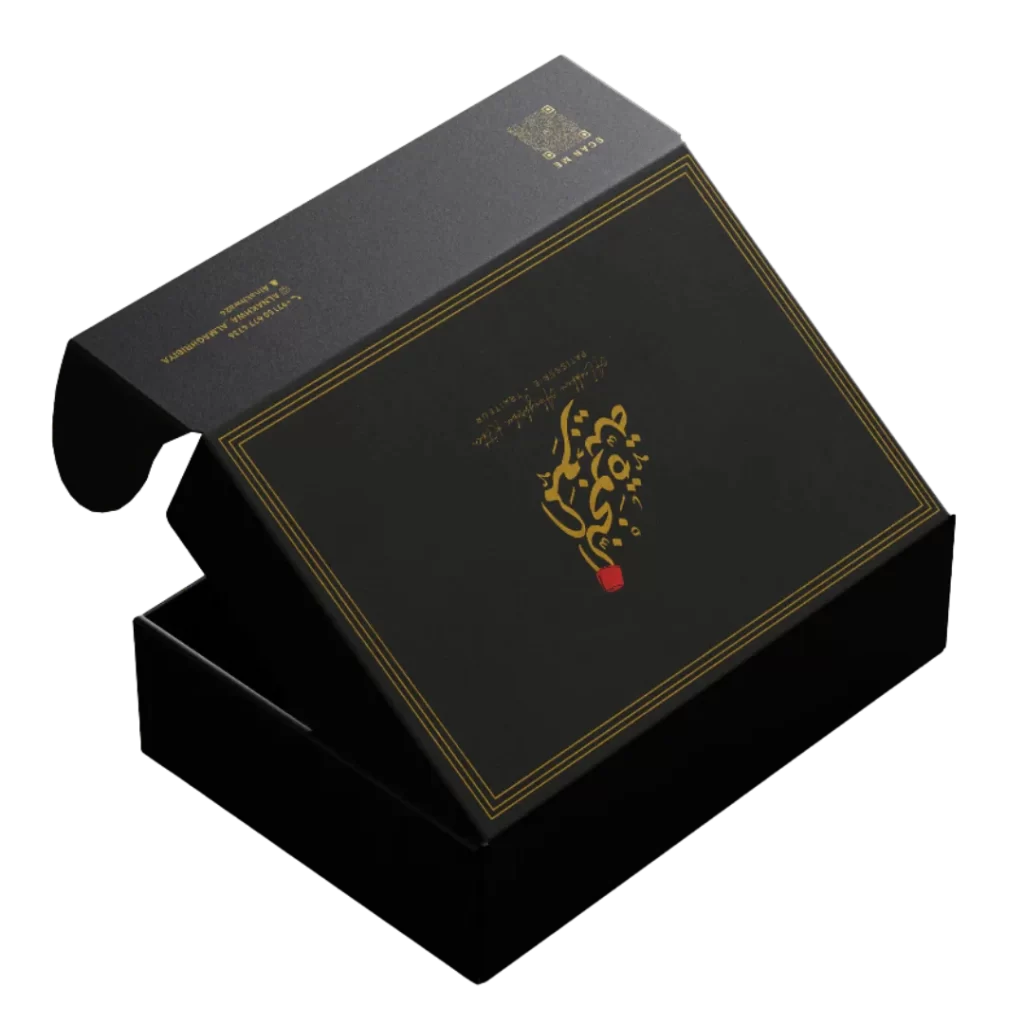
- Gold & Black: Luxury and elegance (premium products).
2. Typography
Typography is the voice of the brand in written form:
- Must be clear and legible.
- A unique primary font strengthens brand recognition.
- A secondary font can be used for balance and details.
3. Materials
The material used directly reflects the product’s value:
- Cardboard: Common, versatile, and print-friendly.
- Plastic: Offers transparency to showcase the product, but less eco-friendly.
- Natural materials: Recycled paper, wood, or biodegradable options for sustainable brands.
4. Structure
- Classic rectangular boxes.
- Innovative geometric shapes.
- Reusable designs (boxes that double as storage).
5. Creative Techniques
- Embossing/Debossing: Adds texture with raised or recessed elements.
- Foil Stamping: Gold or silver finishes for luxury appeal.
- Spot UV: Gloss highlights on specific elements.
- Die-Cutting: Creative windows or unique shapes.
Stages of Packaging Design
1. Understand the Product and Audience
- Is the product premium, budget-friendly, for children, or for young adults?
- Who is the core customer? What visuals appeal to them?
2. Research and Analysis
- Study competitors’ packaging.
- Identify gaps to create a design that stands out.
3. Concept and Sketching
- Generate initial ideas on paper.
- Combine visual elements like colors, logos, and text.
4. Mockups
- Create 3D digital models to preview the design.
- Test different materials and color palettes.
5. Consumer Testing
- Present prototypes to target customers.
- Gather feedback on clarity and attractiveness.
6. Printing and Production
- Choose the right printing techniques.
- Balance cost against quality.
Modern Trends in Packaging Design
1. Sustainability
Brands are expected to adopt eco-friendly approaches:
- Use recyclable or biodegradable materials.
- Reduce reliance on plastic.
2. Personalization
Adding the customer’s name or a personalized message creates an emotional connection.
3. Interactive Packaging
Integrating QR codes or AR (Augmented Reality) features to provide digital experiences.
4. Minimalism
Focusing on simplicity and essential elements rather than cluttered visuals.
5. Artistic Illustrations
Hand-drawn or digital artwork adds a unique and creative flair to packaging.
Inspiring Global Examples
- Apple:
A pioneer in turning packaging into a luxury experience. Simplicity, premium materials, and attention to detail make unboxing part of the marketing. - Coca-Cola:
Uses seasonal packaging (Ramadan, Christmas, etc.) to create emotional connections with consumers. - IKEA:
Practical, eco-friendly packaging aligned with their philosophy of simplicity and sustainability. - Eco-Brands (Patagonia, Lush):
Focus heavily on sustainable packaging that reflects their values and builds trust with eco-conscious audiences.
Pro Tips for Designers
- Let the packaging tell the brand’s story.
- Remember: the box is part of the user experience.
- Pay attention to the psychology of colors and shapes.
- Don’t overcomplicate—simplicity can be more powerful.
- Balance cost vs. value: does the packaging justify the product’s price?
Conclusion
Packaging design is an art that merges functionality, aesthetics, and marketing. A well-designed box not only protects the product but also tells a story, builds brand identity, and creates a memorable experience for consumers. In today’s competitive market, packaging has become more than just a container—it is the silent ambassador of the brand.