
3D Signage
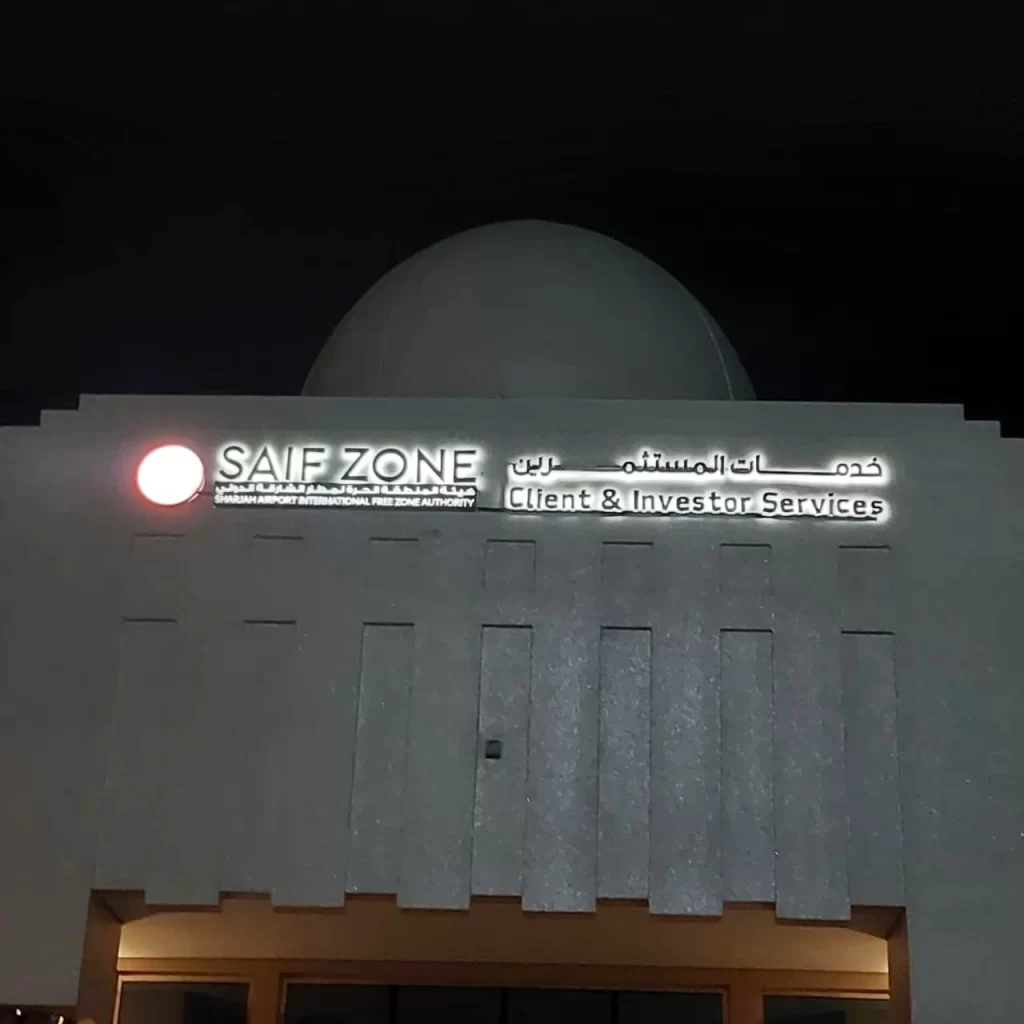

In today’s competitive business environment, visibility is everything. A business is no longer judged solely by its products or services — the first impression plays a crucial role in attracting customers. One of the most effective ways to create a strong and lasting first impression is through 3D signage.
More than just a name displayed on a wall, a 3D sign is a powerful branding tool that reflects professionalism, quality, and attention to detail.
What is 3D Signage?
3D signage refers to signs where letters, logos, or design elements are raised or dimensional rather than flat. These elements are fabricated separately and mounted to create depth, shadow, and visual impact.
Unlike traditional flat signage, 3D signs add dimension and character, making the brand name stand out clearly from its background.
They can be illuminated or non-illuminated and are typically made from materials such as acrylic, stainless steel, aluminum, PVC, or LED-integrated components.
Why 3D Signage is a Smart Investment
- Creates a Strong First Impression
Customers often form opinions within seconds. A well-designed 3D sign communicates credibility, stability, and professionalism immediately.
- Enhances Brand Visibility
The depth and shadow effects naturally draw attention, especially when combined with lighting. This makes 3D signage more noticeable than flat printed boards.
- Elevates Brand Perception
A premium-looking sign increases the perceived value of your business. It signals that your company invests in quality — and that builds trust.
- Long-Term Durability
3D signage is built to withstand environmental conditions, making it suitable for both indoor and outdoor applications. High-quality materials ensure longevity and minimal maintenance.
- Customizable Design Flexibility
From color choices and finishes to lighting effects and materials, 3D signage can be fully customized to match your brand identity.
Types of 3D Signage
Acrylic 3D Letters
Lightweight and versatile, acrylic letters are widely used for retail stores, offices, clinics, and beauty centers. They can be finished in various colors and may include internal LED lighting for added impact.
Stainless Steel 3D Letters
Ideal for luxury brands, corporate offices, banks, and high-end restaurants. Stainless steel offers a premium metallic finish and strong resistance to corrosion.
LED Illuminated 3D Signs
Perfect for businesses operating at night. Options include front-lit, backlit (halo lighting), or fully illuminated designs. LED lighting enhances visibility and creates a modern aesthetic.
Non-Illuminated Raised Letters
Suitable for indoor branding walls and areas where lighting is not required. These signs rely on depth and shadow for visual appeal.
3D Signage vs Traditional Flat Signs
Traditional signs are typically printed or painted on flat surfaces. While functional, they often lack visual depth and impact.
3D signage, on the other hand, introduces dimension, texture, and lighting possibilities. This not only improves aesthetics but also creates a stronger psychological impact, conveying professionalism and authority.
The Process of Creating Professional 3D Signage
- Brand analysis and design concept development
- Selection of appropriate materials
- Lighting configuration (if required)
- 3D mockup and client approval
- Precision cutting using laser or CNC technology
- Assembly and professional installation
- Final quality inspection
Each step ensures that the final result aligns perfectly with the brand identity and environmental requirements.
Where is 3D Signage Commonly Used?
- Retail storefronts
- Corporate offices
- Restaurants and cafés
- Medical clinics
- Hotels and showrooms
- Shopping malls
- Interior feature walls
Whether used outdoors to attract foot traffic or indoors to reinforce branding, 3D signage significantly enhances the overall space.
How to Choose the Right 3D Sign for Your Business
When selecting 3D signage, consider:
- Location (indoor or outdoor)
- Business type and target audience
- Lighting requirements
- Brand colors and identity
- Budget and long-term goals
A well-planned sign should align with your branding strategy while maintaining functionality and durability.
Conclusion
3D signage is more than decorative branding — it is a strategic marketing investment. It strengthens brand presence, attracts attention, and builds credibility.